| Origin | Mexico |
|---|---|
| Family | Cactaceae |
| Exposure | |
| Watering | Regular (every 10 days) from spring to late summer. Check that the earth is completely dry before watering again. |
| Fertilization | Cactaceae |
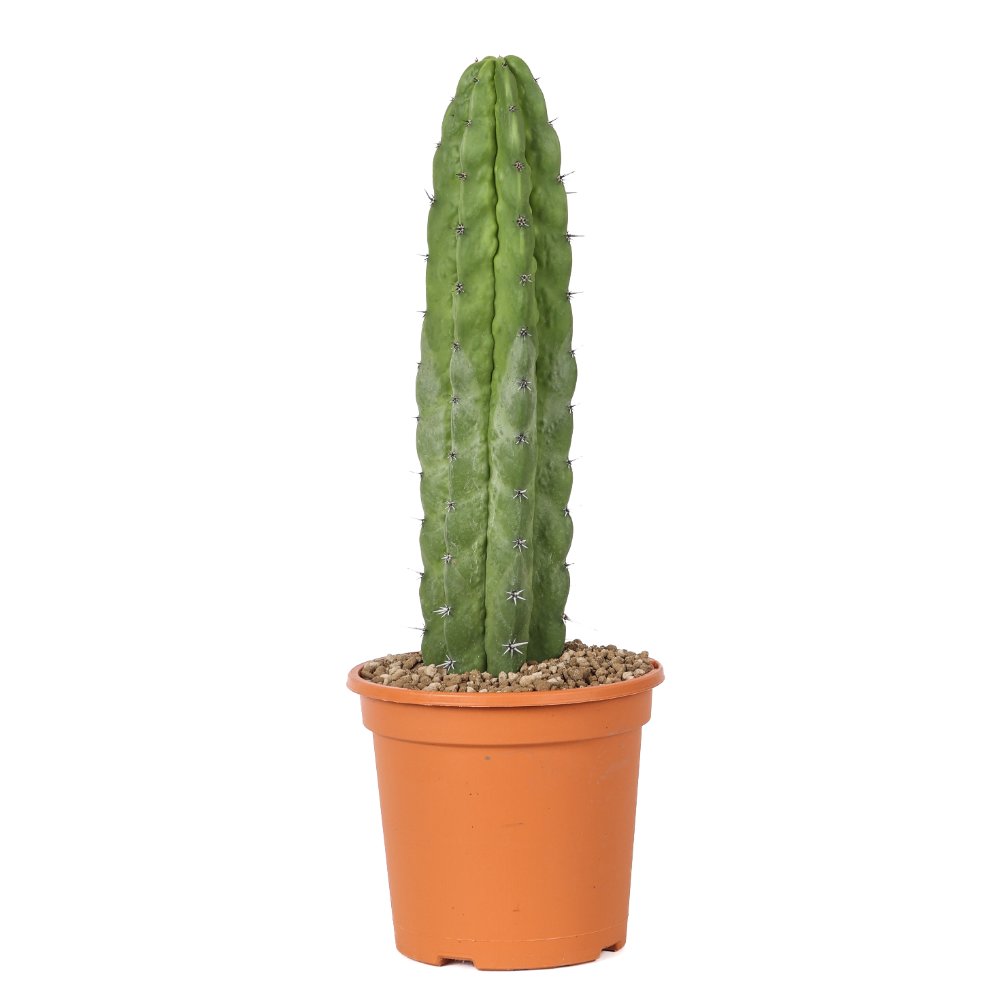
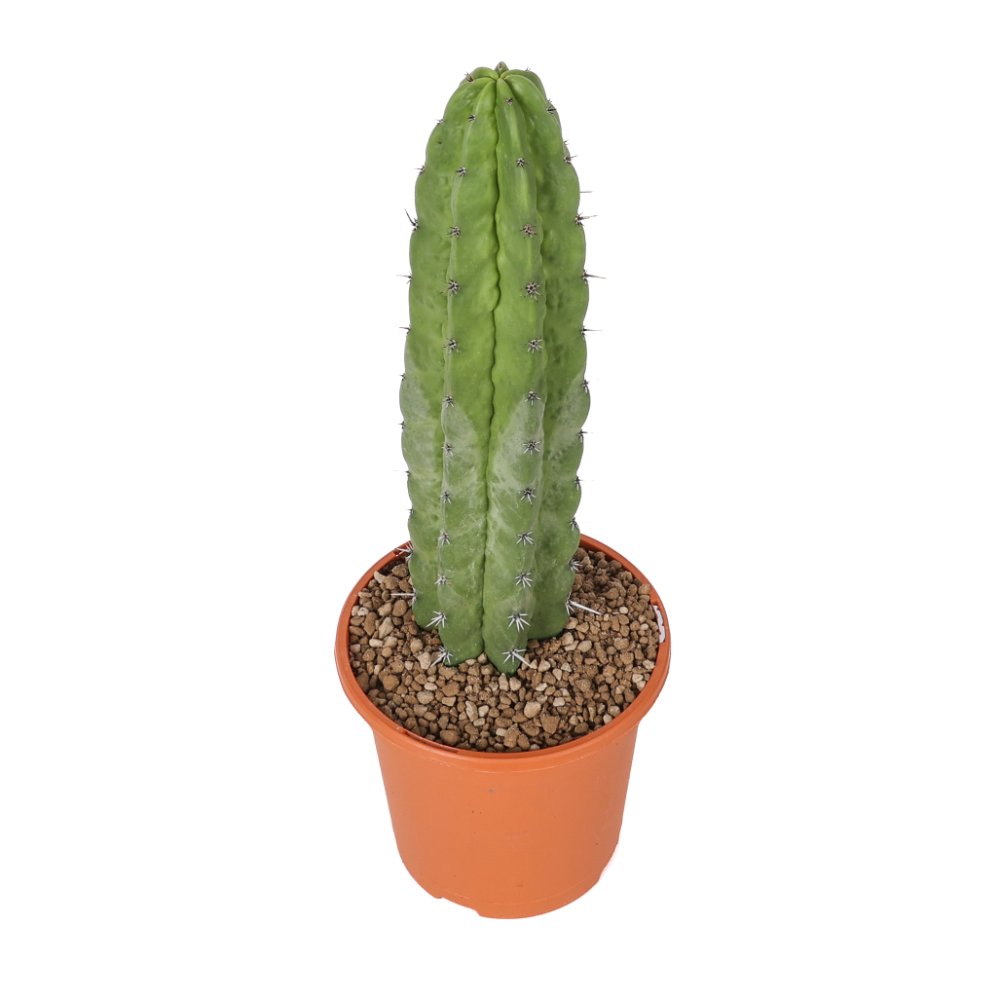
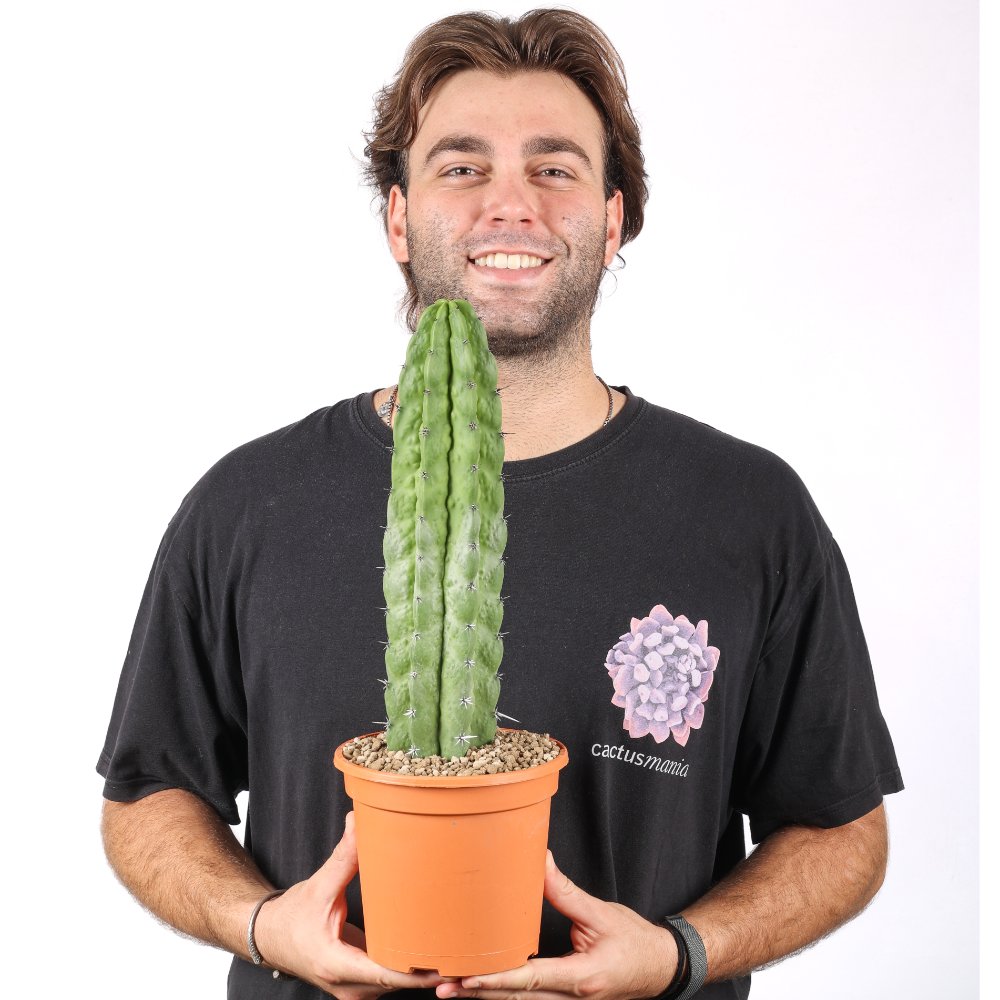
Polaskia chichipe ‘Lizard skin’ Ø 17
The lizard skin that conquers the cactus world
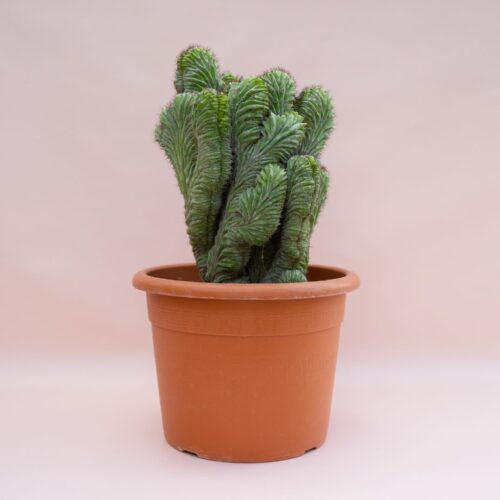
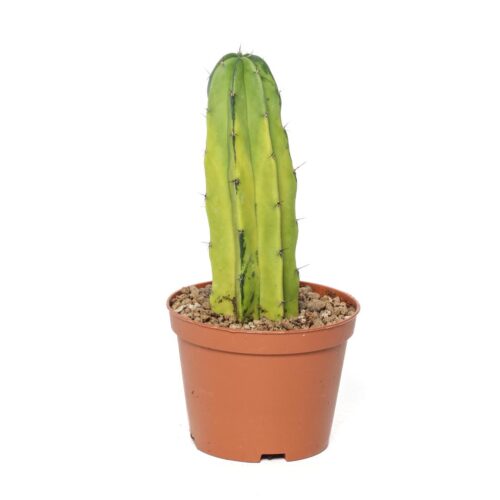
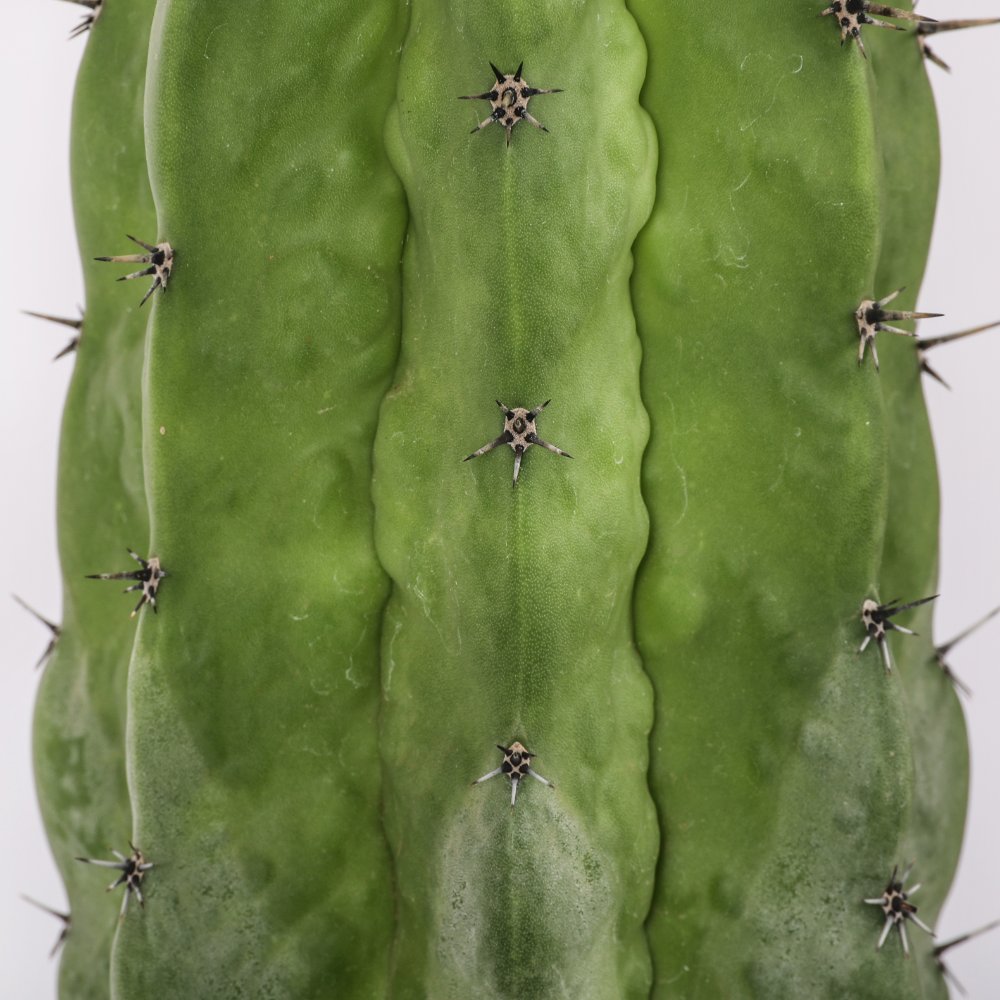
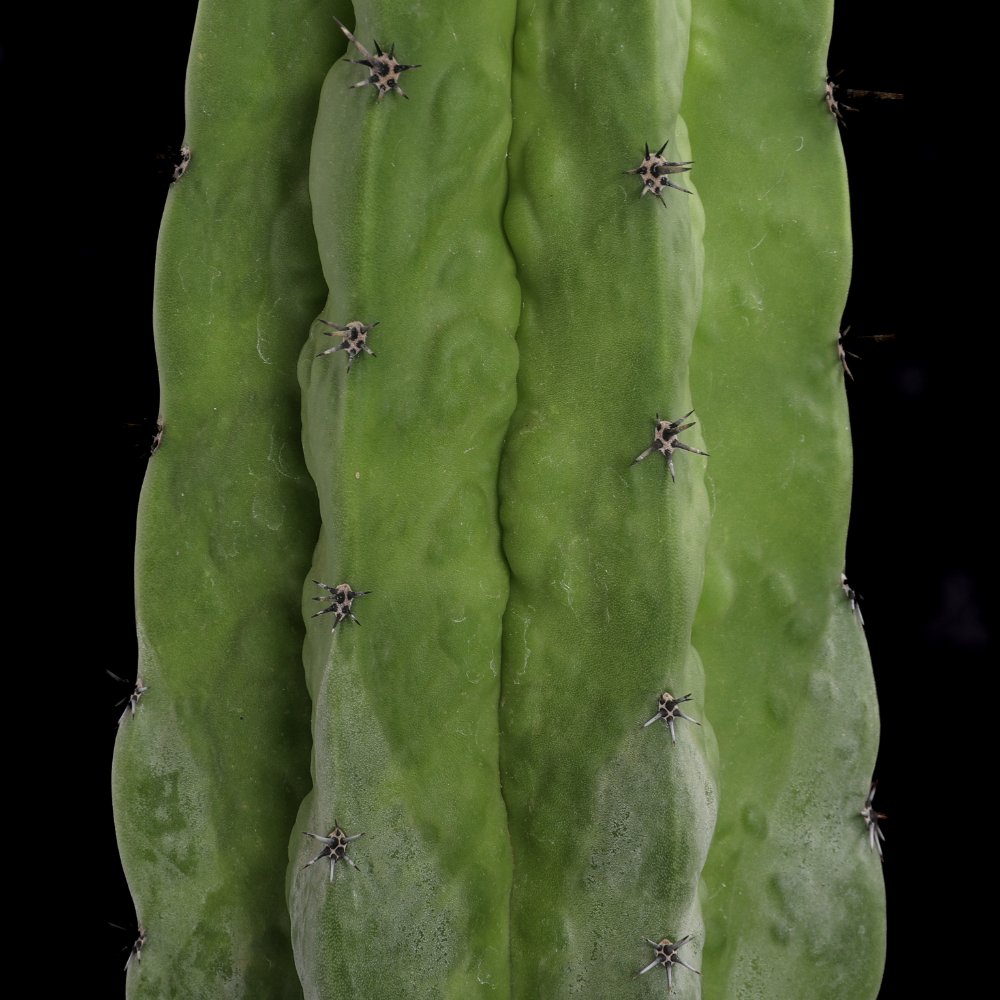
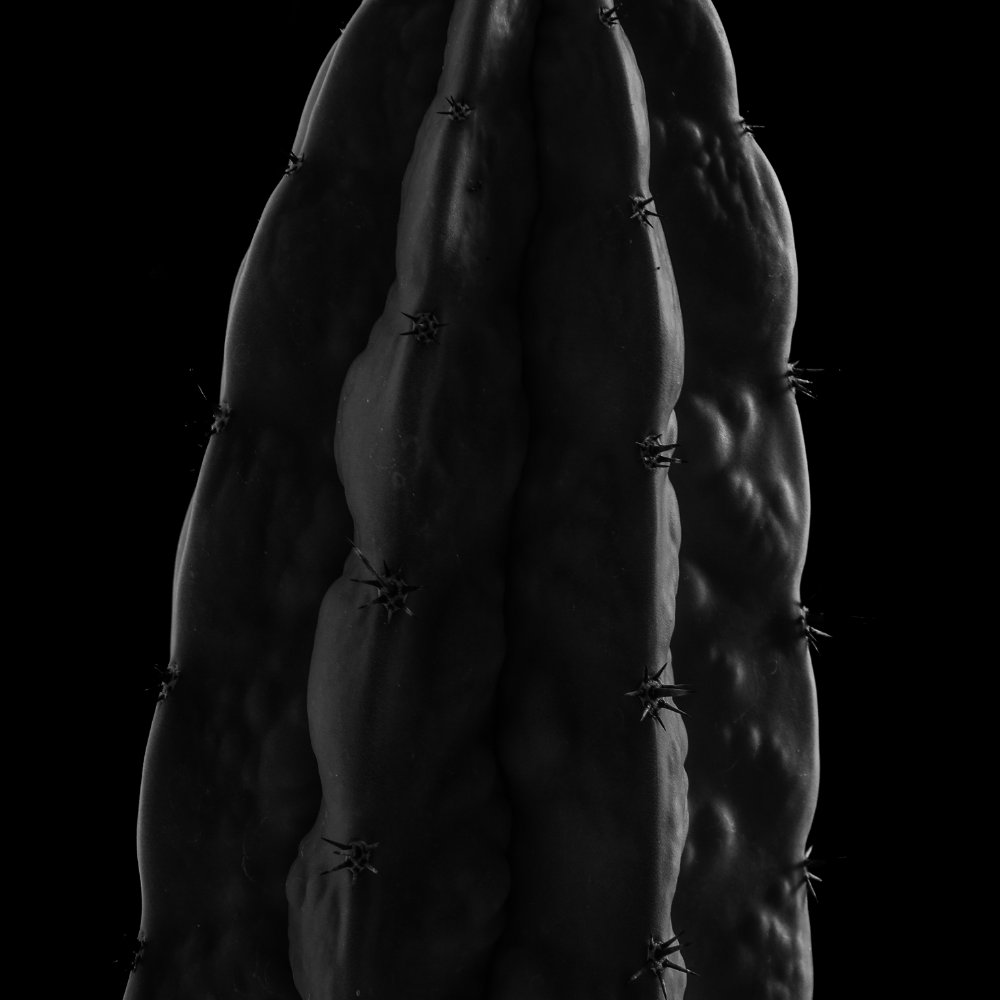
The Polaskia chichipe ‘Lizard skin’ is an extremely rare and extraordinary collector’s selection of the classic Mexican columnar cactus. Its absolute peculiarity, which gives it its name, lies in the epidermis: the stem surface is not smooth but features a wrinkled, rippled, and geometric texture that impressively resembles the skin of a lizard or reptile.
Unlike the typical form, this cultivar develops a strongly structured, matte, and pleasantly tactile epidermis, whose veins create a unique “lizard skin” visual effect found nowhere else. It retains the classic columnar and branching growth of the species, with well-defined ribs, closely spaced areoles, and short, sturdy spines. It combines the charm of the great Mexican columnar cacti with an unparalleled aesthetic anomaly. A plant of high ornamental value, with moderate growth and easy care.
Growing notes
Exposure: prefers full sun, which enhances the epidermis texture to the fullest and keeps the plant compact. In very hot climates, light shade during the hottest hours is advisable to prevent unsightly burns on the rough surface.
Temperature: tolerates heat well but is sensitive to frost. Winter temperatures should not drop below 5-8°C. During the cold months, it should be kept in a dry, well-ventilated environment.
Watering: water moderately, waiting for the substrate to dry out completely between waterings. In spring and summer, water every 7-10 days; in autumn and winter, reduce to a minimum, just enough to prevent excessive dehydration.
Soil type: requires a highly draining mix, composed of cactus soil and inert materials such as pumice, coarse sand, or perlite in a 50:50 ratio. Good drainage is essential to prevent root rot.
Fertilization: fertilize once a month during the growing season (spring-summer) with a liquid cactus fertilizer, rich in potassium and low in nitrogen. Stop completely in autumn and winter.
Flowers and fruits: in spring, it produces small greenish-white or pale yellow flowers that bloom at the tips of the stems. The fruits are globose berries, red or purplish in color, edible with a sweet-tart flavor, highly appreciated in their native regions.
Curiosities: the ‘Lizard skin‘ mutation is extremely rare and sought after by collectors worldwide. Each plant features a unique and unrepeatable epidermal pattern. Growth is slow but steady; over the years, it forms a small, highly scenic columnar bush. Beware of excess moisture, which can cause the characteristic texture to fade and lead to rot.
Not grafted
Code 1711
€52,00