The most beautiful species and how to care for them for a spectacular bloom
The Mammillaria genus represents one of the most fascinating families of succulent plants, particularly due to its widespread presence in Mexico and the arid regions of Central America. The variety of species within this genus is extraordinary, making them highly prized by collectors and gardening enthusiasts. Mammillaria are distinguished not only by their unique characteristics but also by their ease of cultivation, which undoubtedly brings great satisfaction to those who care for them.
Botanical characteristics
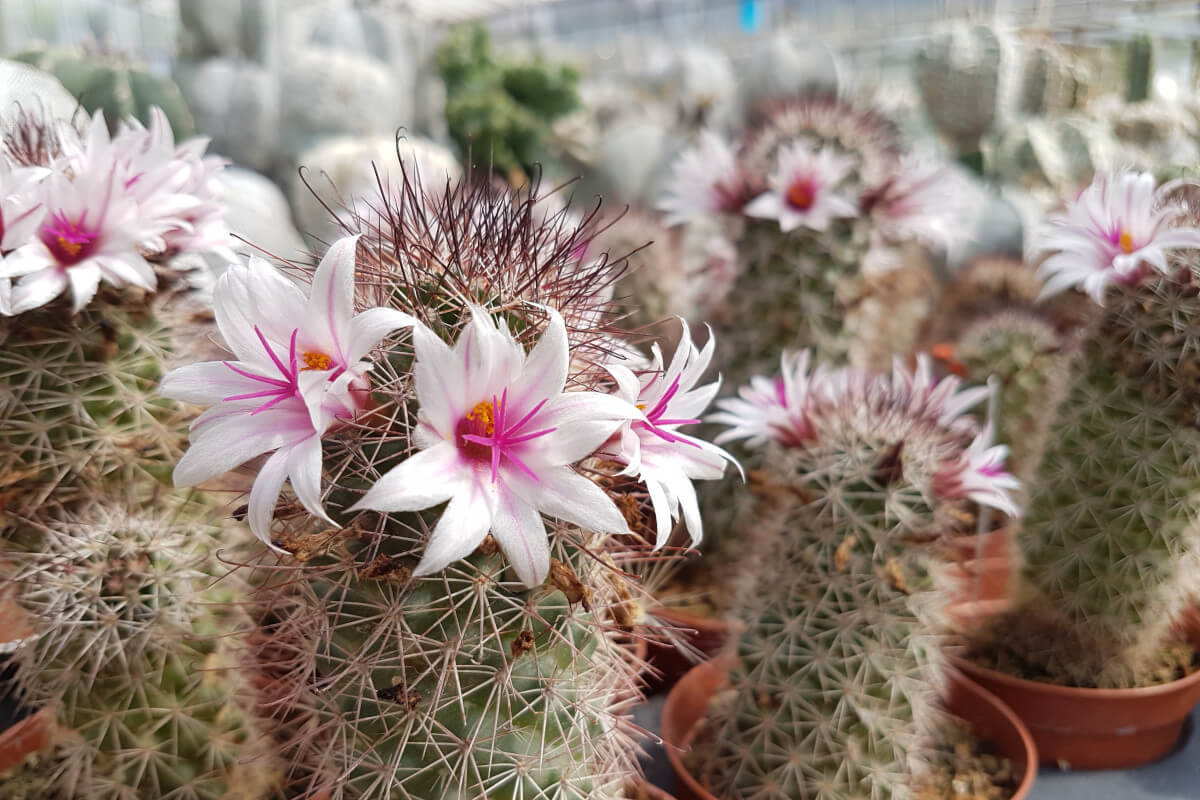
Mammillaria exhibit a highly varied morphology, with shapes ranging from globular to cylindrical and sizes differing depending on the species. The spines that cover these plants give them a captivating appearance, but they must be handled with care. The flowers, usually bell-shaped, can vary significantly in colour and size, creating spectacular displays during the flowering season.
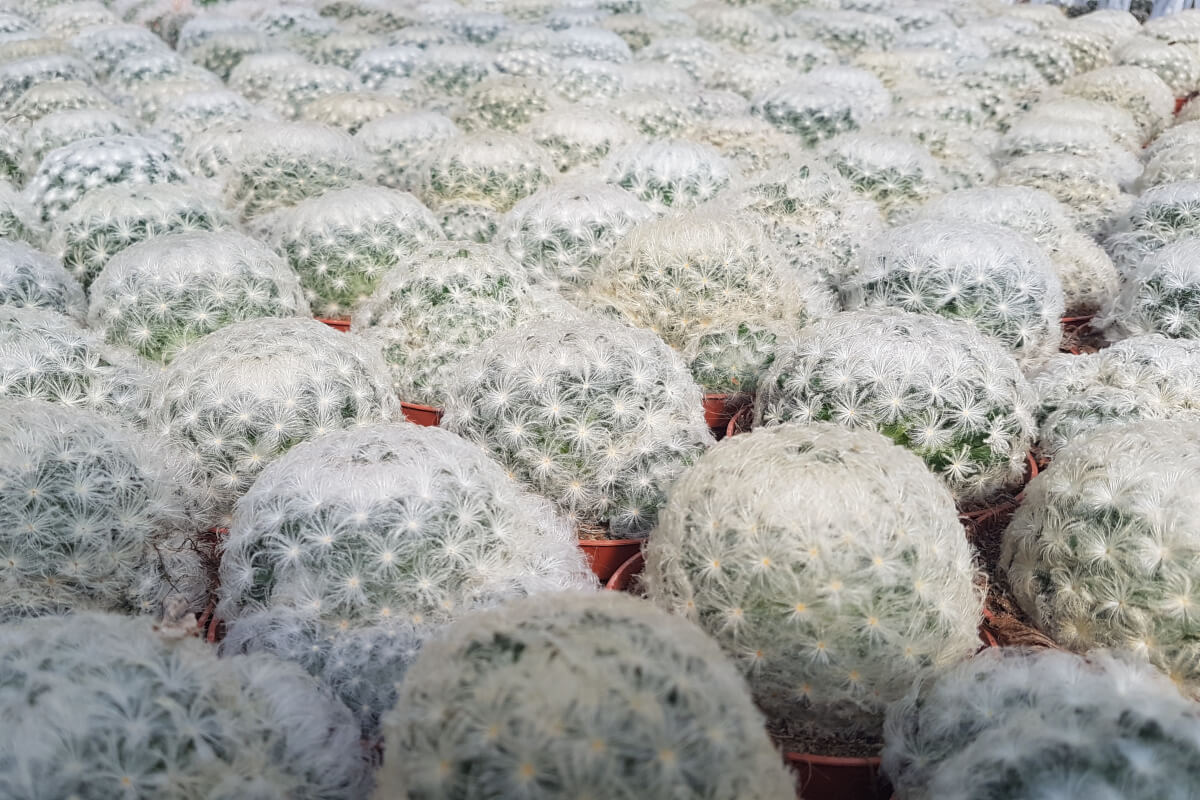
Among the most well-known species is Mammillaria bocasana, recognisable by its pink flowers and globular shape, highly appreciated for its beauty and compact appearance. Mammillaria plumosa, on the other hand, stands out for its dense white hairs that cover its body, giving it a soft, fluffy appearance.
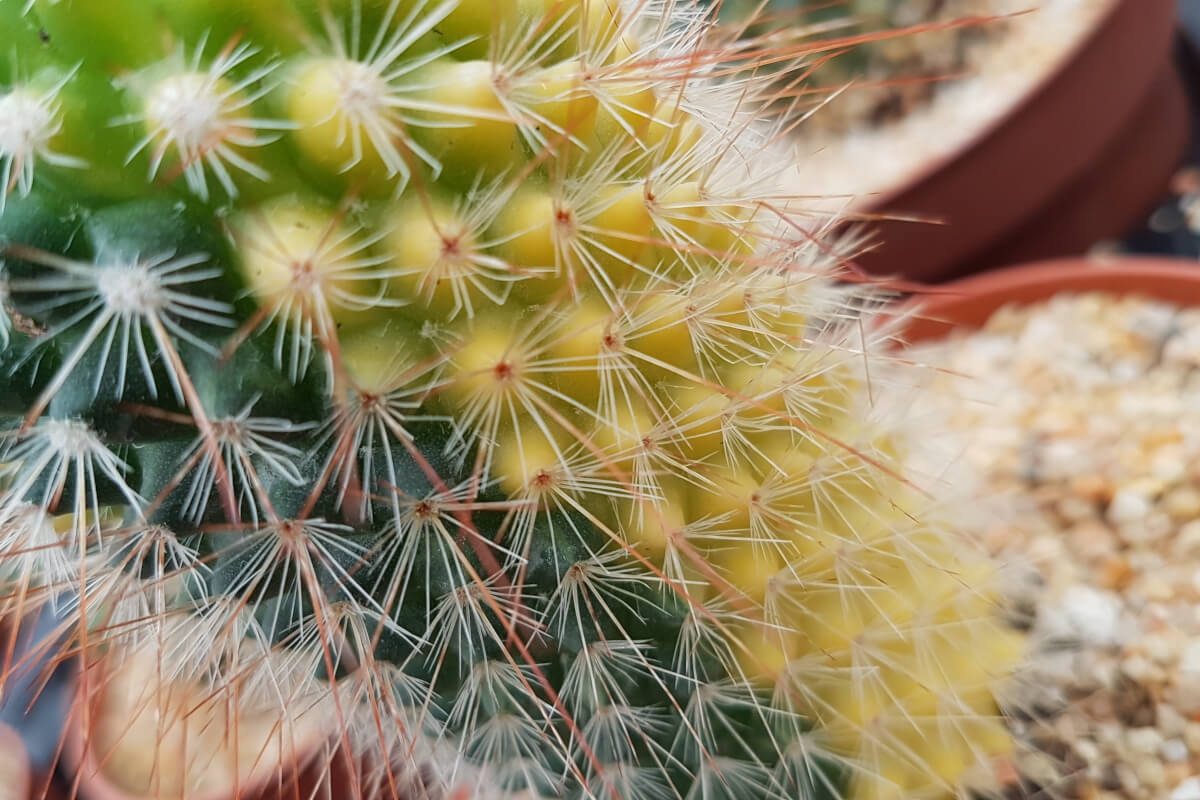
Mammillaria spinosissima is famous for its long spines and distinctive outline, making it easily identifiable and sought after by gardening enthusiasts. These unique traits make Mammillaria ideal plants for enriching any green space.
Soil and watering
For optimal cultivation of Mammillaria, it is essential to provide suitable soil. The ideal composition is a sandy, well-draining mix that allows the plant to breathe without risking harmful waterlogging. It is equally important to choose a pot with drainage holes to ensure the plant’s health.
Watering should be done cautiously: it is advisable to moisten the soil only when it is completely dry. The frequency of watering varies depending on the species and climatic conditions, but generally, it is recommended to water every two weeks during the growing season and significantly reduce watering in winter. Finding the right balance is crucial to maintaining the health and beauty of these plants.
Fertilisation
Fertilisation plays a crucial role in supporting the growth of Mammillaria. During the growing season, which mainly occurs in spring and summer, it is advisable to use fertilisers specifically designed for cacti, particularly those rich in potassium, which stimulate flowering. It is recommended to fertilise once a month, being careful not to overdo it to avoid salt buildup in the soil.
In autumn and winter, it is best to suspend fertilisation, as the plants enter a dormant phase that does not require additional nutrients. Careful management of this phase contributes to healthy development and abundant flowering during the warmer seasons.
Light exposure
Adequate light exposure is essential for Mammillaria, which prefer indirect, warm light. Exposing them to direct sunlight for prolonged periods may cause spine burns and compromise the plant’s health. Some species, such as Mammillaria bocasana, tolerate direct sunlight better than others and can benefit from it.
The importance of proper exposure cannot be overstated: adequate light helps prevent fungal diseases and promotes lush flowering. It is recommended to rotate the pots periodically to ensure even lighting on all parts of the plant.
Biodiversity
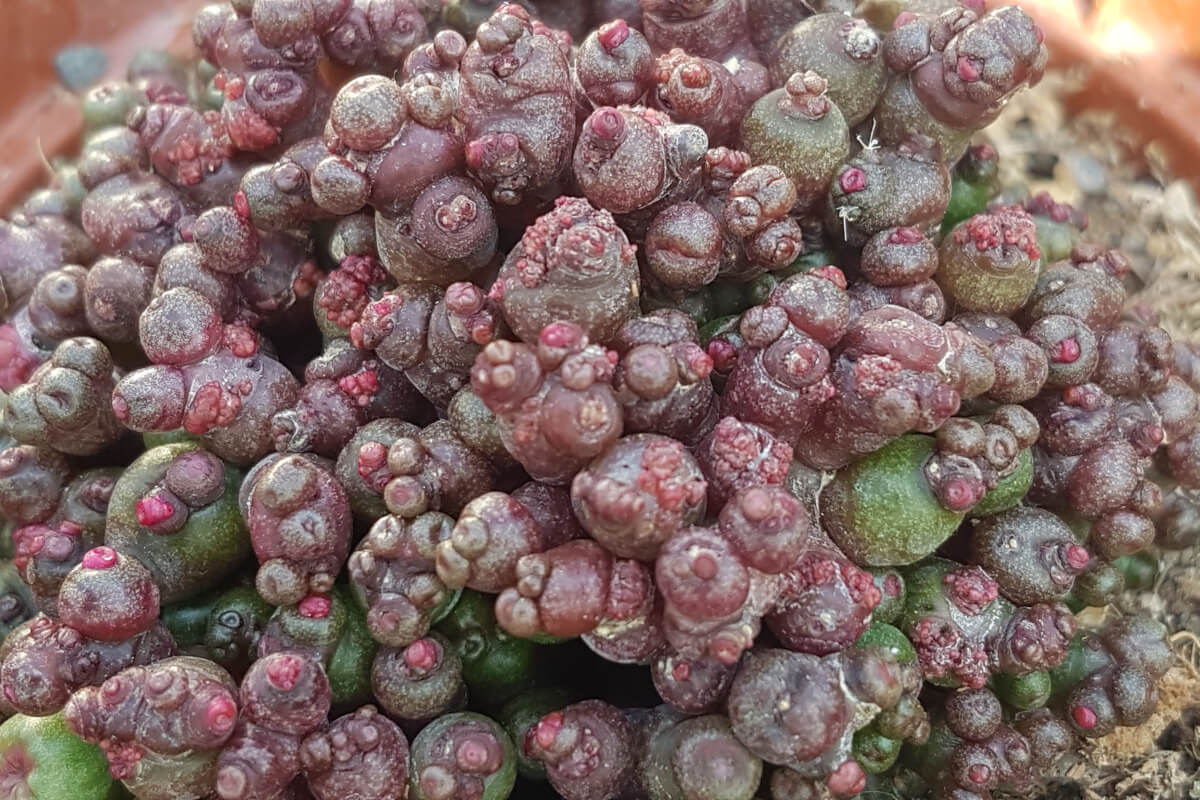
It is interesting to note how some Mammillaria establish unique interactions with insects. These plants emit aromatic substances that attract specific pollinators, contributing to their reproduction in synergy with the surrounding environment. The blooms, which open in a myriad of colours, not only beautify the landscape but also serve as a food source for insects such as bees and butterflies, creating a vibrant micro-ecosystem. These symbiotic relationships enrich the plant’s life cycle and amplify the garden’s beauty, transforming it into a haven for local wildlife.
Moreover, the increasing popularity of Mammillaria has led to the creation of highly prized hybrids, the result of passionate cultivators’ efforts. Each year, new varieties are introduced to the market, combining the most desirable traits of various species. These hybrids not only expand the range of available colours and forms but also offer superior resistance to diseases and drought compared to their parent species. This continuous innovation in the world of Mammillaria reflects not only the creativity of hybridisers but also a growing awareness of the importance of biodiversity in modern gardening practices.
Curiosities
Mammillaria are not only fascinating from an aesthetic perspective but are also steeped in interesting legends and traditional uses. In some cultures, it is believed that these plants bring good luck and prosperity, which is why they are often given as gifts on special occasions. One fascinating specimen is Mammillaria pectinifera, known for its unique ornamental properties, making it a popular choice for interior decorations.

Additionally, their ease of care has made Mammillaria a symbol of resilience, perfect for those who wish to delve into the world of succulents without too much difficulty. The beauty and versatility of these plants continue to inspire enthusiasts and collectors from all over the world.
Each species has its own peculiarities that require attention and care, but the satisfaction of seeing these plants bloom is unparalleled. Whether in a small garden or a green corner at home, Mammillaria can enrich any space with a touch of beauty and colour. With a little patience and dedication, even beginners can find great joy in caring for these fascinating plants.
Quick Questions and Answers
How to make Mammillaria bloom?
- Light exposure: Ensure it receives plenty of direct sunlight, at least 4-6 hours a day.
- Winter dormancy: During winter, reduce watering and keep the plant in a cool environment (10-15°C) to stimulate spring flowering.
- Fertilisation: In spring and summer, use a cactus-specific fertiliser, low in nitrogen and rich in phosphorus and potassium.
How to grow Mammillaria?
- Soil: Use a well-draining mix, such as a combination of cactus soil, sand, and perlite.
- Pot: Choose a pot with drainage holes to avoid waterlogging.
- Light exposure: Place it in a bright spot, preferably with direct sunlight.
- Temperature: It thrives between 18°C and 30°C but can also tolerate lower temperatures during winter dormancy.
How long does a Mammillaria live?
- Mammillaria is a long-lived plant and can survive for decades if properly cared for.
How long do Mammillaria flowers last?
- The flowers of Mammillaria typically last a few days, but the plant may bloom multiple times during the season.
How tall does Mammillaria grow?
- Growth is slow: some species reach a height of 10-15 cm, while others can grow up to 30 cm.
How to care for Mammillaria?
- Light: Plenty of direct sunlight. Place it in a bright spot, such as a sunny windowsill or a balcony exposed to the sun.
- Water: Moderate watering in summer and reduced in winter. In summer: every 7-10 days, depending on climatic conditions. In winter: once a month or less.
- Soil: Well-draining.
- Fertiliser: Use a cactus fertiliser in spring and summer.
When does Mammillaria bloom?
- Typically in spring or summer, depending on the species.
Where to keep Mammillaria in winter?
- In a cool (10-15°C) and bright location, with minimal watering.
Why isn’t it blooming?
- It may lack light, proper fertilisation, or a winter dormancy period.
When to repot Mammillaria?
- Every 2-3 years, in spring, using a slightly larger pot.
How long do Mammillaria flowers last?
- The flowers last a few days, but the plant may produce them multiple times.
How to propagate Mammillaria?
- Offsets: Remove the small lateral shoots and plant them in a new pot.
- Seeds: Sow in spring in a mix of sand and soil.
What kind of plant is Mammillaria?
- It is a genus of cactus native to the Americas, known for its globular or cylindrical shape and decorative spines.
How to grow Mammillaria in a pot?
- Use a pot with drainage holes, well-draining soil, and place it in a bright location.
When do Mammillaria bloom?
- In spring or summer.
How to save a struggling Mammillaria?
- If it is rotting, remove the damaged parts and let the plant dry before repotting.
How to divide a Mammillaria?
- Remove the lateral offsets and plant them separately.
How to prune it?
- Pruning is not necessary, but you can remove offsets to propagate it.
How long does Mammillaria live?
- It can live for decades with proper care.
What are the main species of Mammillaria?
- Mammillaria elongata
- Mammillaria spinosissima
- Mammillaria hahniana
- Mammillaria bombycina
- Mammillaria gracilis