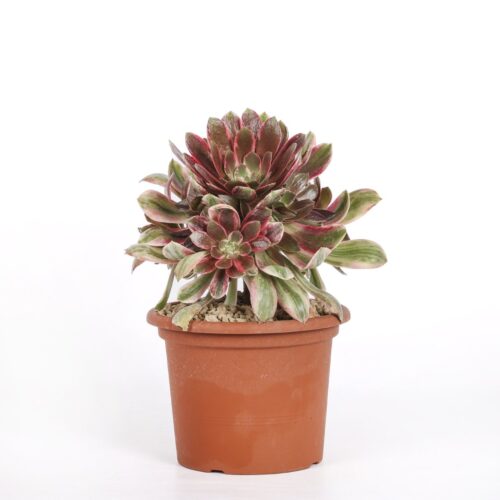
Aeonium canariense: the velvety rosette from the Canary Islands
Welcome, plant enthusiasts! Today, we’re talking about a succulent with a primordial charm and an almost sculptural appearance: the Aeonium canariense. If you’re looking for a striking plant that’s easy to care for and reminiscent of the lush forests of its native land, this is the perfect candidate.
Characteristics: a gentle giant
The Aeonium canariense is native to the island of Tenerife in the Canaries and is immediately recognizable by its growth habit. Unlike many spiny cacti, this succulent is a gentle giant.
-
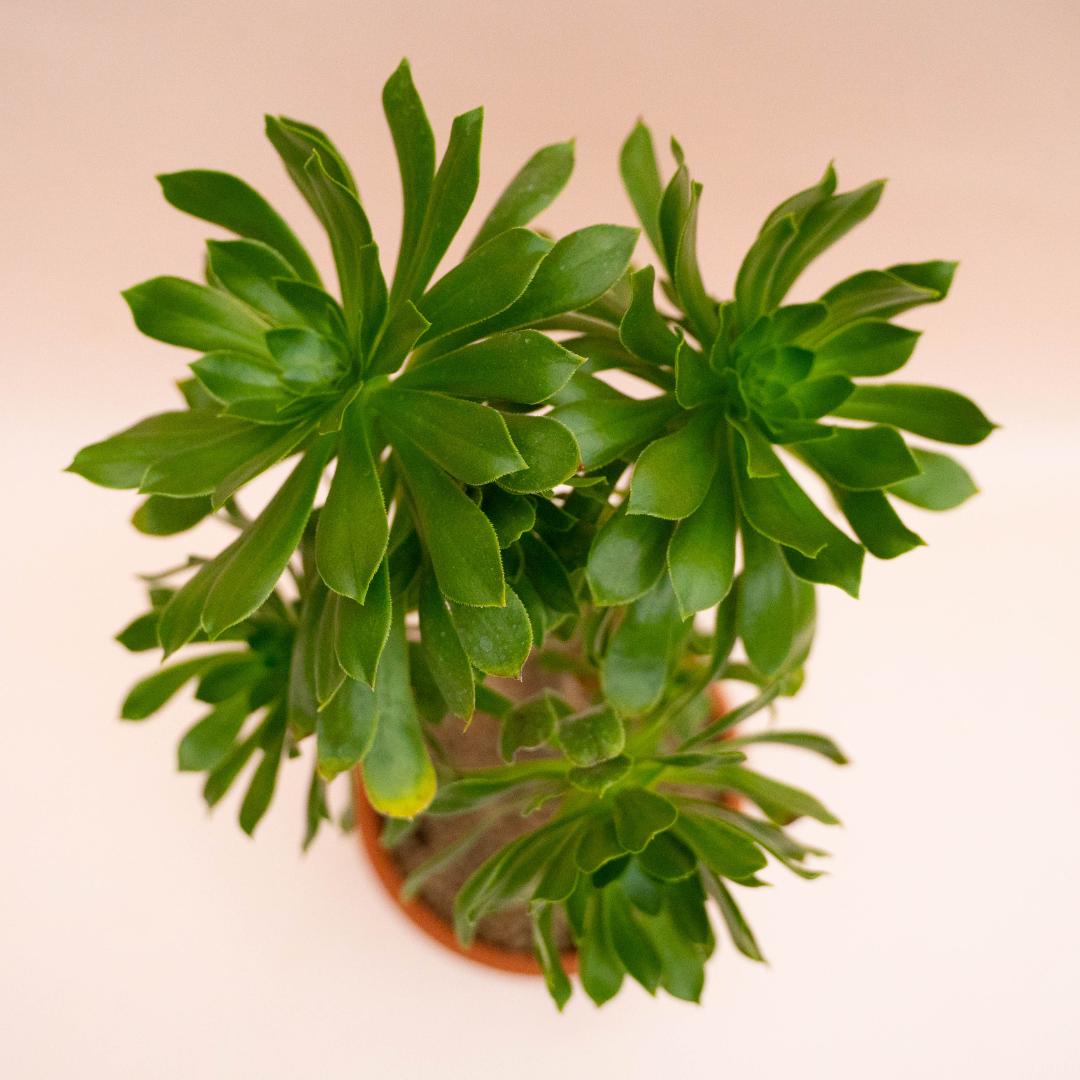
Rosettes: its main feature is its large, open rosettes, which can easily reach 30-40 cm (12-16 inches) in diameter, and even more under optimal conditions! They have a flattened shape that resembles a giant flower.
-
Leaves: the leaves are obovate, fleshy, and covered with a fine, dense fuzz that gives them a velvety appearance and a very soft texture. The color is a soft, bright green, sometimes with edges that can turn reddish when exposed to direct sun.
-
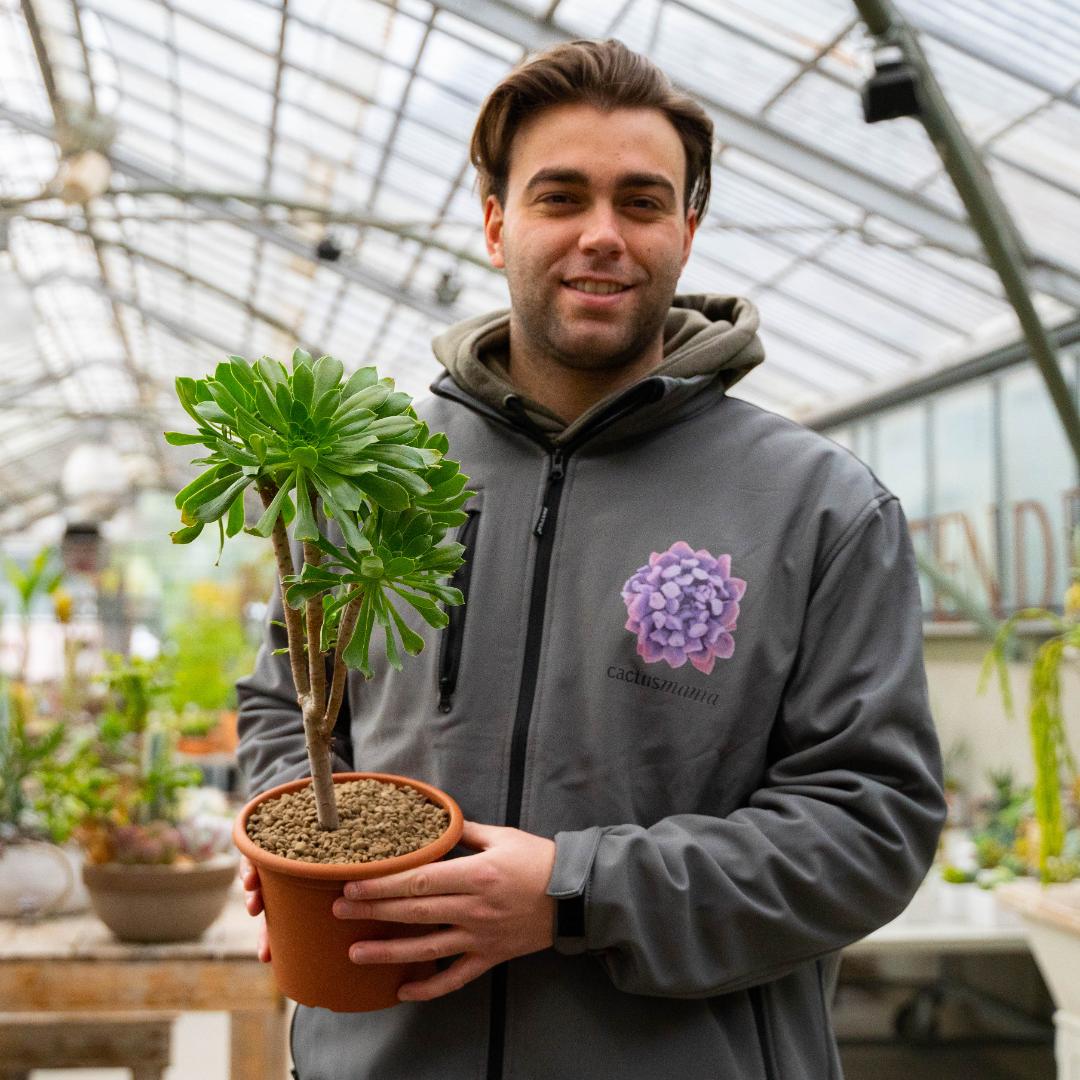
Growth habit: it grows by forming a short, dense, woody stem from which the rosettes emerge. Over time, it tends to produce new lateral shoots, creating a very decorative clump.
Is it monocarpic? Important note: Like many Aeoniums, the individual rosette that flowers will die after producing seeds. But don’t worry! The mother plant is usually replaced by the numerous offsets (pups) it produces at the base.
Cultivation and care: simplicity is key
The reputation of the Aeonium canariense is built on its ease of cultivation, making it ideal for beginners.
🌱 Soil: the secret is drainage
The most critical factor is a well-draining soil. A specific mix for succulents and cacti is ideal. You can easily make your own by mixing:
-
50% good quality potting soil.
-
30% drainage material such as pumice, perlite, or fine lava rock.
-
20% coarse sand (not fine river sand).
A terracotta pot, which helps the soil breathe and dry out, is an excellent choice.
💧 Watering: less is more (almost always)
Follow the golden rule for succulents: water thoroughly, then allow the soil to dry out completely before watering again.
-
Spring/Summer: more regular watering, always checking that the soil is dry first.
-
Autumn/Winter: drastically reduce watering. If kept outdoors and exposed to rain, it may not need any additional water. Beware of prolonged frost and excess moisture, which are its true enemies.
☀️ Exposure: yes to sun, but with caution
It loves bright light and a few hours of direct sun, especially in the morning. However, during the hottest hours of the summer, a partial shade exposure is ideal to avoid scorching its beautiful velvety leaves. If grown indoors, place it near a very bright window.
The flowers: a spectacular but fleeting show
The flowering is a spectacular event! A large, cone-shaped flower spike emerges from the center of the rosette, which can grow over half a meter (about 2 feet) tall. It’s covered in numerous small, star-shaped flowers of a delicate creamy white or pale yellow color. The display is guaranteed, but it unfortunately marks the culmination of that specific rosette’s life. The good news is that before dying, the plant will have already produced new offsets to ensure its continuation.
Curiosities: a name that speaks of Home
-
Name origin: the genus name, Aeonium, comes from the Greek aionios (eternal, immortal), perhaps referring to the tenacity of these plants. The specific epithet, canariense, clearly indicates its origin from the Canary Islands.
-
Natural habitat: in the wild, Aeonium canariense often grows in shady, humid places, such as the laurel forests of the Canaries (Laurisilva), showing a surprising adaptability compared to common expectations for a succulent.
-
Famous relatives: it is part of the large Crassulaceae family, the same family as the very popular Aloe vera and the Crassula ovata (Jade Plant).
In summary
The Aeonium canariense is the perfect plant for anyone who wants to add a touch of “lush” exoticism to their collection without worrying about complicated care. Its velvety beauty, imposing growth, and generous nature make it a true star for the garden or windowsill.