| Origin | Cultivar |
|---|---|
| Family | Cactaceae |
| Exposure | |
| Watering | Regular (every 10 days) from spring to late summer. Check that the earth is completely dry before watering again. |
| Fertilization | Cactaceae |
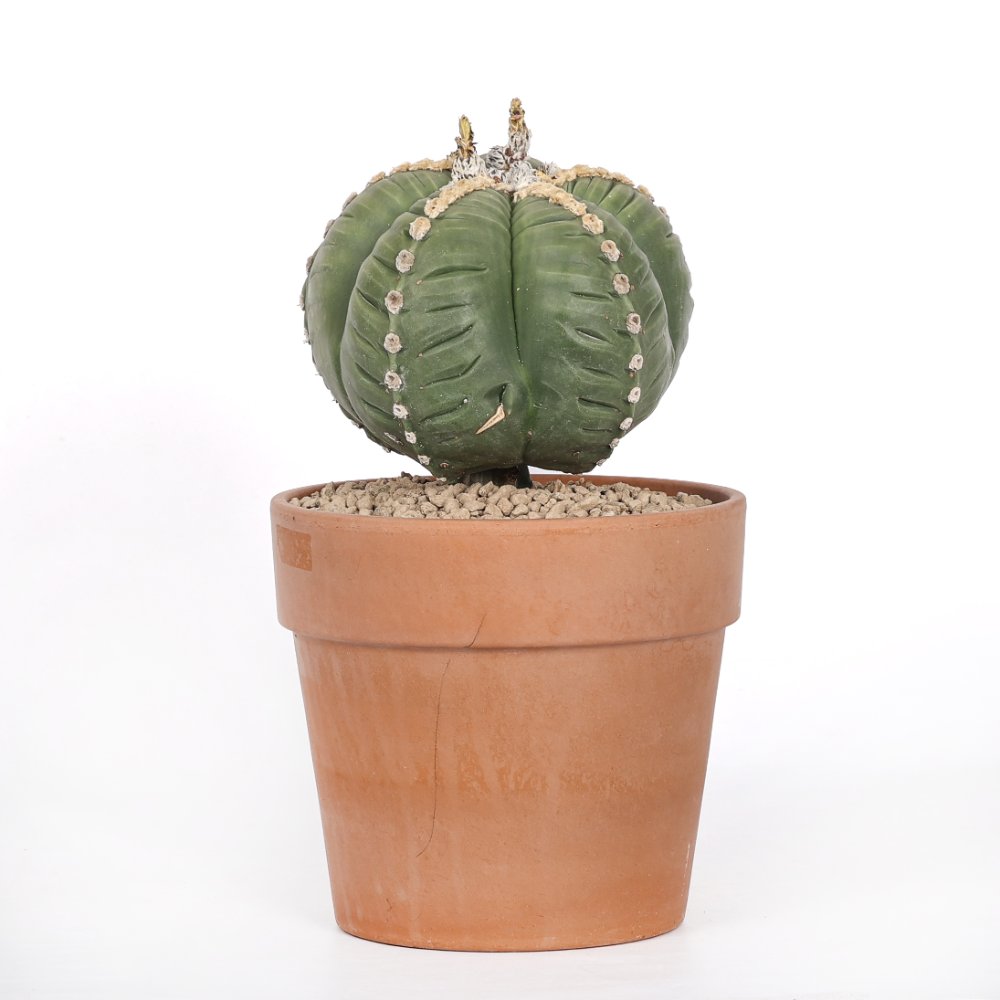
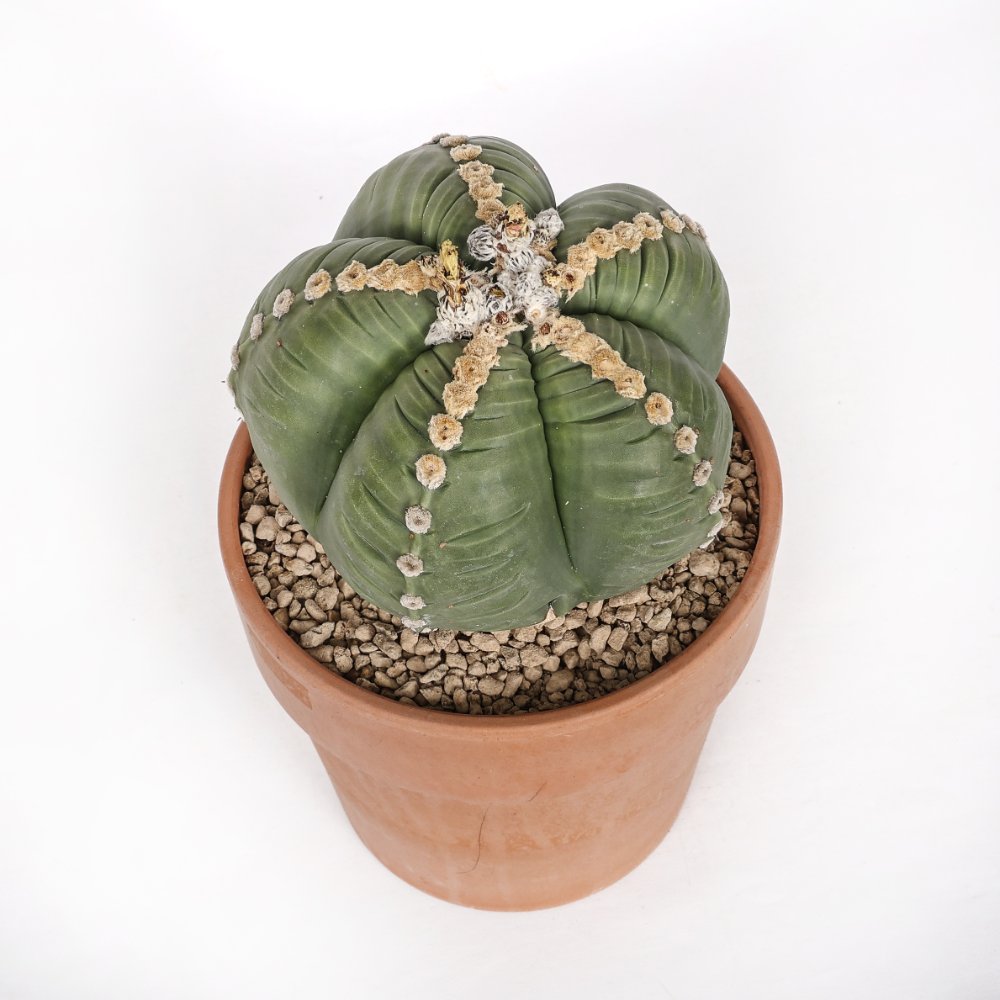
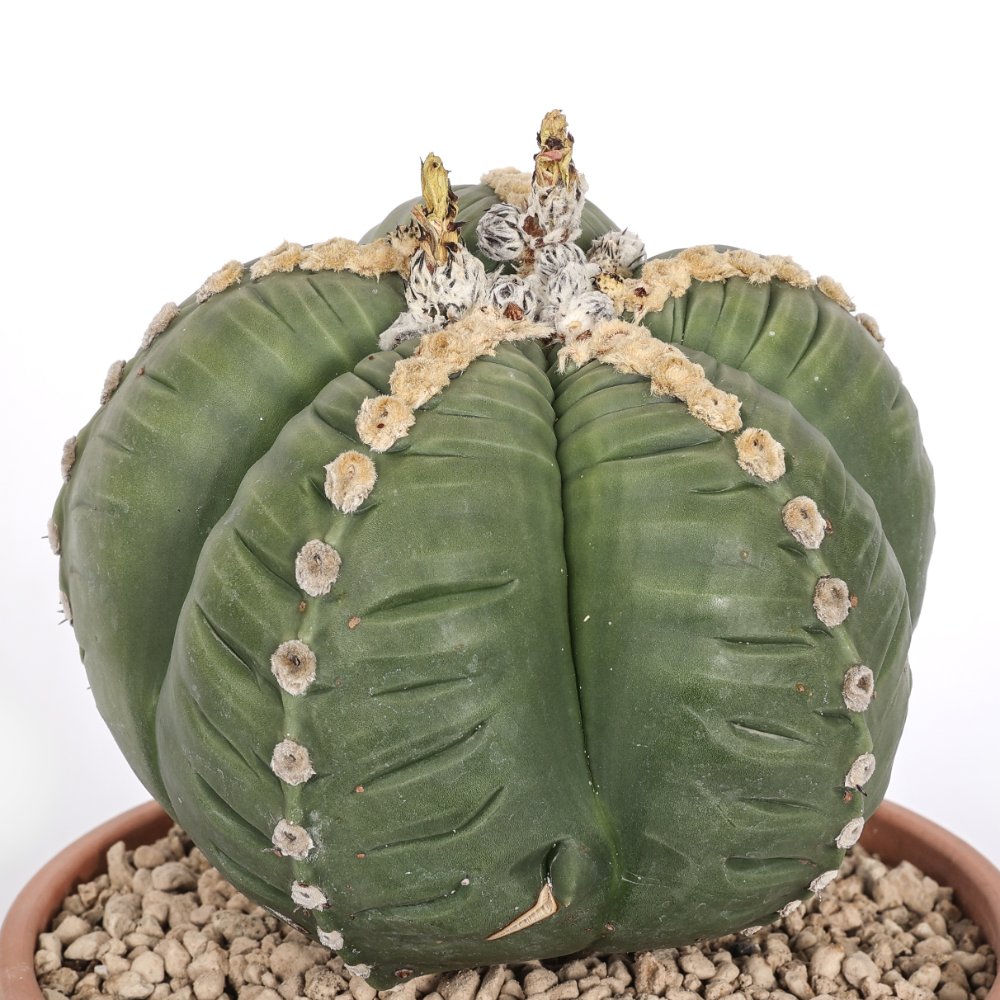
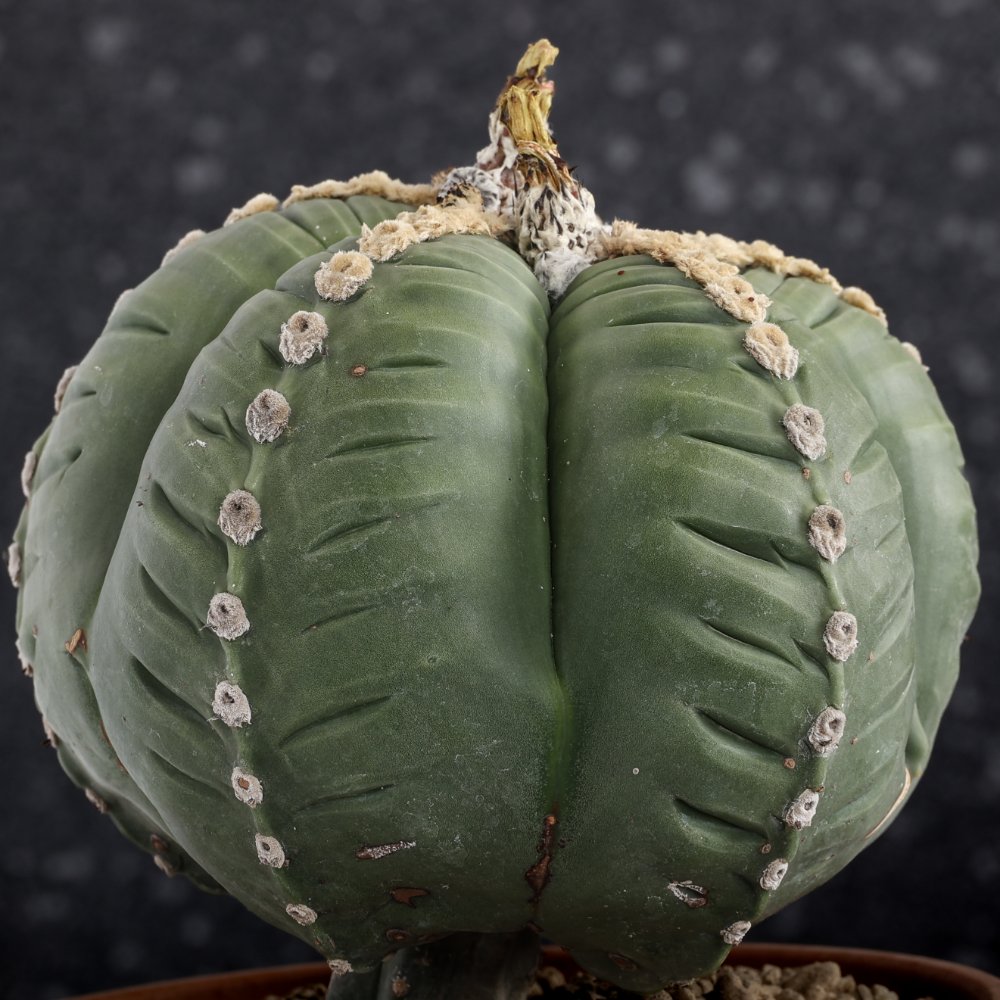
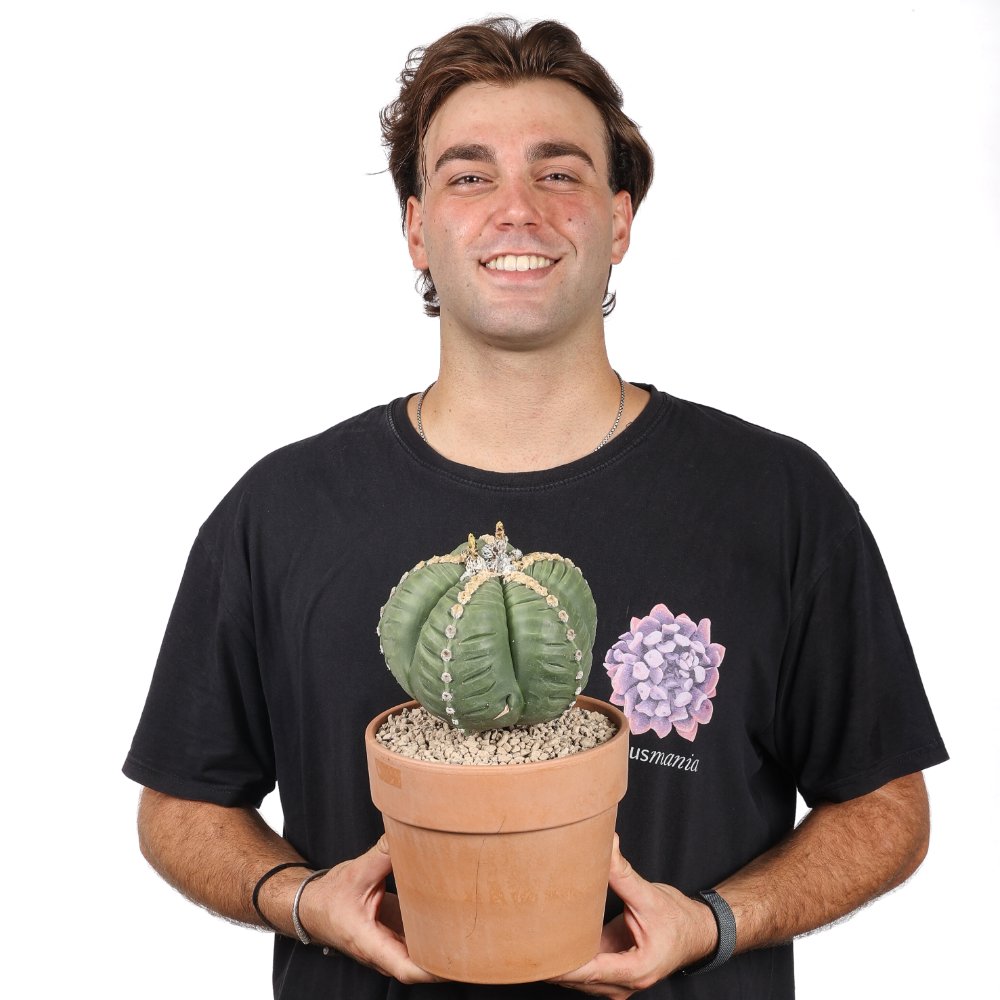
Astrophytum myriostigma cv. kikko nudum Ø 21
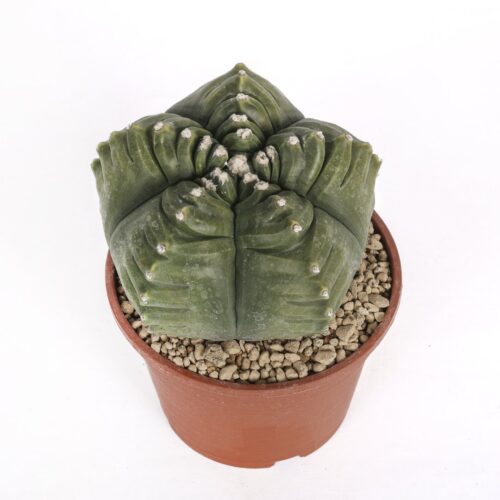
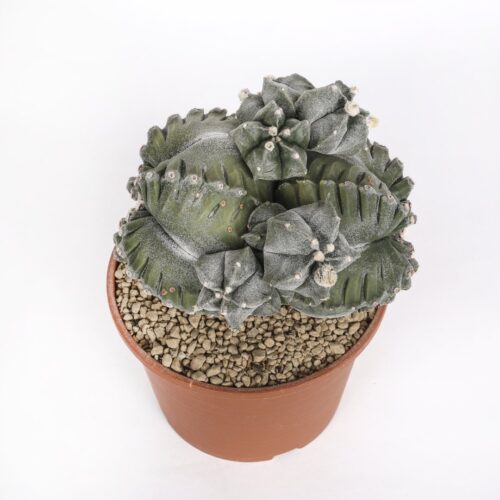
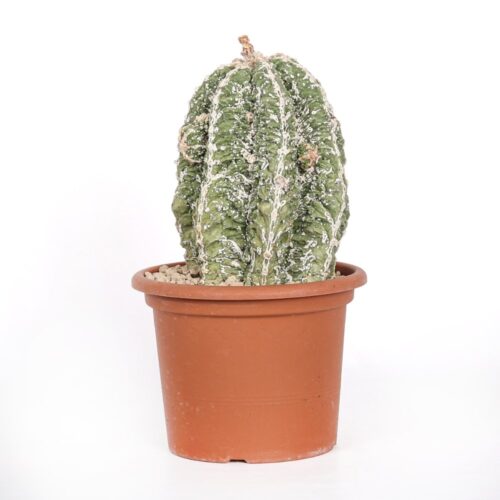
One of the rarest, most sculptural and sought-after Japanese cultivars in the world. This extraordinary collector’s variety stands out for its completely “nudum” stem (lacking the typical white woolly flecks), which highlights the dark green, glossy epidermis. The distinctive “Kikko” feature gives the ribs a unique geometry, with pronounced notches resembling a tortoise shell. A true gem for collectors.
The Astrophytum enchants enthusiasts with its completely unique and varied forms. With its bright yellow blooms, appearing in spring-summer, it combines rarity with resilience. A desert masterpiece.
Growing notes:
- Exposure: full sun or very bright direct light (at least 6 hours daily), with good air circulation. In summer, protect from the hottest afternoon sun if the pot is small.
- Temperature: tolerates brief spikes up to 40°C, but never below 5°C in winter. Keep dry and frost-free.
- Watering: water only when the substrate is completely dry, about every 7-15 days in summer; suspend almost entirely in winter (at most once a month). Critical: avoid waterlogging.
- Soil: very well-draining, with at least 50-60% inert material (pumice, perlite, lava grit). Avoid peat or overly organic mixes.
- Fertilizing: from April to September, once a month, with a specific cactus fertilizer low in nitrogen and high in potassium and phosphorus, diluted to half strength.
- Flowers: bright yellow with a reddish base, about 5-6 cm across, appearing at the apex on mature specimens (from 3-4 years old). Each flower lasts 2-3 days, but blooming repeats several times during the season.
- Winter rest: essential for health and future flowering. Keep in a cool place (8-12°C) and almost completely dry from November to March.
Unique piece
Not grafted
Code 1701F
€270,00
Out of stock